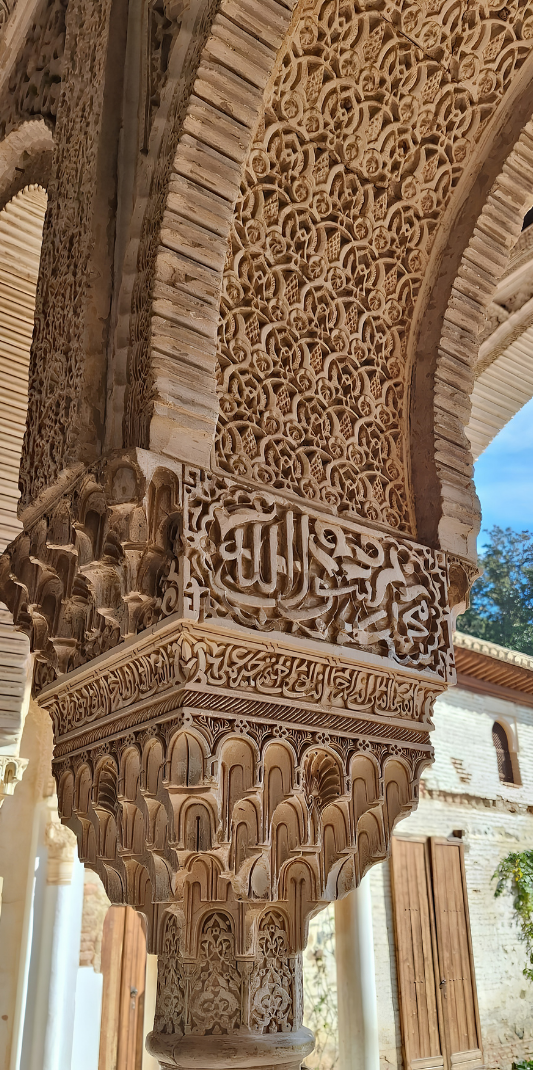
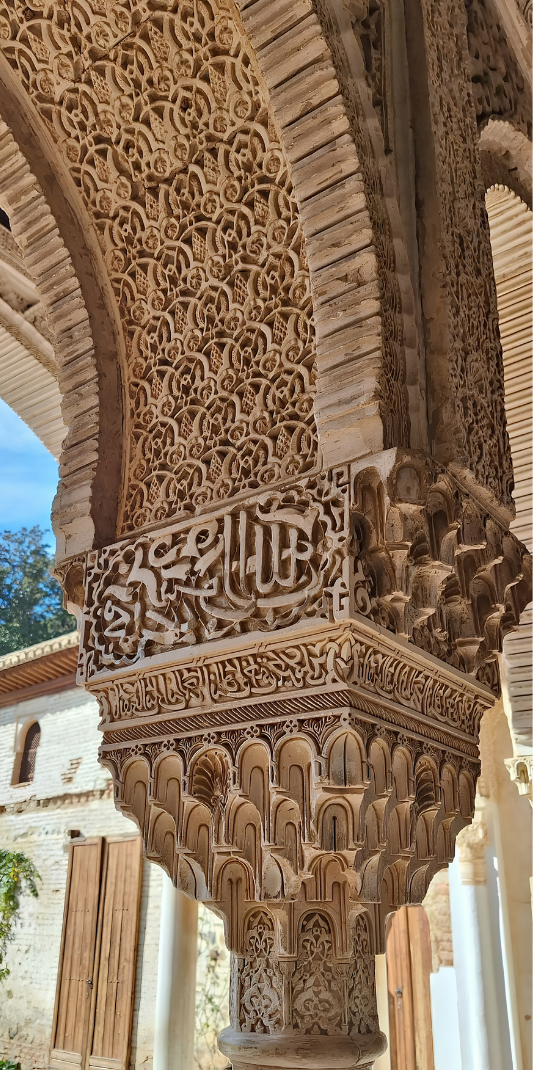
When we think about al-Andalus, we often imagine magnificent mosques, elegant arches, flowing fountains, and cities illuminated by art and science. Yet al-Andalus was far more than a geographical region or a historical period. It was a civilization built upon the belief that knowledge, faith, aesthetics, and human dignity could coexist harmoniously.
When we think about al-Andalus, we often imagine magnificent mosques, elegant arches, flowing fountains, and cities illuminated by art and science. Yet al-Andalus was far more than a geographical region or a historical period. It was a civilization built upon the belief that knowledge, faith, aesthetics, and human dignity could coexist harmoniously.
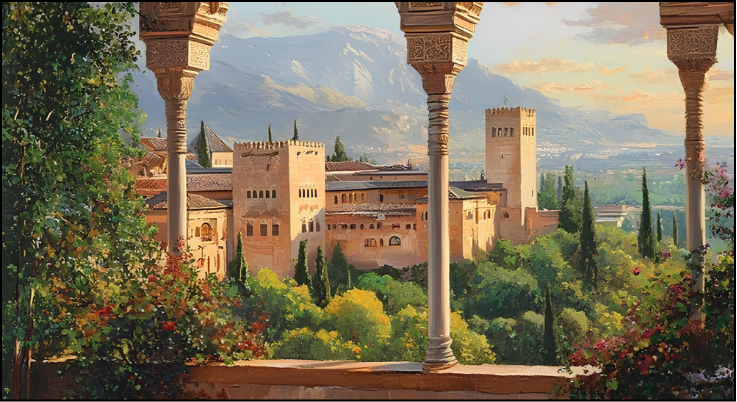
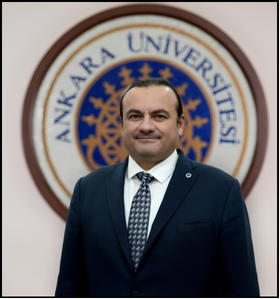
For centuries, al-Andalus became one of the world’s greatest centers of learning. In cities such as Córdoba, Granada, and Seville, scholars from diferent backgrounds gathered around a shared intellectual horizon. Muslims, Christians, and Jews contributed together to philosophy, medicine, astronomy, mathematics, architecture, literature, and theology. Libraries flourished, translations multiplied, and scientific curiosity was encouraged rather than feared. At a time when much of the world struggled with intellectual fragmentation, al-Andalus cultivated a culture of dialogue. Ancient Greek philosophy was translated into Arabic, interpreted by Muslim scholars, and later transmitted to Europe through al-Andalus. In many ways, the intellectual awakening of medieval Europe was deeply connected to the scholarly atmosphere of al-Andalus. From the perspective of theology, al-Andalus teaches us a timeless lesson: faith and knowledge are not rivals. On the contrary, the search for truth through science, philosophy, and reflection can become a form of spiritual responsibility. The Qur’anic emphasis on reading, thinking, observing nature, and seeking wisdom found one of its most remarkable expressions in Andalusian civilization. Among the greatest intellectual figures of al-Andalus was Ibn Rushd, who defended the harmony between reason and revelation. His writings argued that philosophy and faith should not contradict one another because both ultimately seek truth. His ideas influenced not only Islamic theology but also the intellectual foundations of Europe for centuries. Another remarkable figure was Ibn al-‘Arabī, born in Murcia, whose spiritual philosophy transformed Islamic mysticism. His understanding of unity, compassion, and the inner journey of humanity continues to influence theological and spiritual thought across the Muslim world. Ibn al-’Arabī once wrote: “He who knows himself knows his Lord. ” Man ‘arafa nafsahu faqad ‘arafa Rabbahu. This statement reflects one of the central spiritual dimensions of Andalusian thought — the idea that the pursuit of knowledge is not merely intellectual, but also a journey toward deeper moral and spiritual awareness. One of the most fascinating aspects of al-Andalus was its understanding of balance. Science developed together with ethics. Art flourished alongside spirituality. Architecture reflected not only technical mastery but also metaphysical depth. The geometric patterns, gardens, and calligraphy of Andalusian structures remind us that beauty itself can become a language of belief. Today, in an age shaped by artificial intelligence, digital transformation, and rapid technological change, al-Andalus still speaks to us. Modern societies generate enormous amounts of information, yet they often struggle to transform information into wisdom. Al-Andalus reminds us that civilizations become truly meaningful only when knowledge serves humanity. For students of theology, alAndalus is not merely a historical memory; it is also an intellectual invitation. It encourages young scholars to think beyond boundaries, to engage with science without losing ethics, and to approach diferent cultures with confidence rather than fear. Its legacy demonstrates that openness to knowledge does not weaken identity; instead, it enriches and strengthens it. As we reflect on al-Andalus today, perhaps the most important question is not why that civilization declined, but how its spirit of curiosity, coexistence, and intellectual courage can inspire the future, because civilizations survive not only through power, but also through their ability to cultivate wisdom, compassion, and beauty together. Al-Andalus was not simply a place in history. It was a way of thinking. Prof. Dr. Kaan ORHAN Vice Rector, Ankara University