Based on a ten-day field study conducted in the Netherlands, this article explores the evolving dynamics of Turkish immigrants through interviews with mosque community leaders, foundation representatives, and Turkish-Dutch citizens from different generations. My objective was not only to explore the socio-cultural landscape of a European country but also to analyze the organizations established by Turks who migrated from Anatolia in the 1960s and to assess their impact on subsequent generations. The phenomena that I will describe reflect a profound sociological transformation, as well as the traces of an ongoing struggle for identity that has evolved over time.
Based on a ten-day field study conducted in the Netherlands, this article explores the evolving dynamics of Turkish immigrants through interviews with mosque community leaders, foundation representatives, and Turkish-Dutch citizens from different generations. My objective was not only to explore the socio-cultural landscape of a European country but also to analyze the organizations established by Turks who migrated from Anatolia in the 1960s and to assess their impact on subsequent generations. The phenomena that I will describe reflect a profound sociological transformation, as well as the traces of an ongoing struggle for identity that has evolved over time.
The most notable change I observed during the field interviews was that “returning to Türkiye permanently” is no longer a major consideration. The majority of the interviewees prefer to remain in the Netherlands in order to maintain the socio-economic stability they have established over decades. The Turkish community is now a settled society active in every field, ranging from teaching and engineering to local politics and business. However, this permanence also brings the risk of cultural erosion and assimilation.
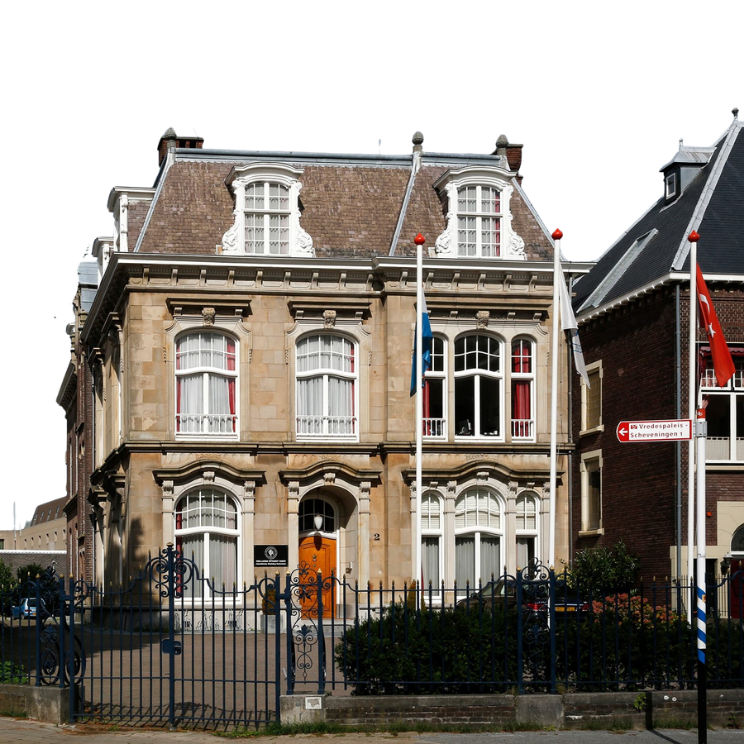
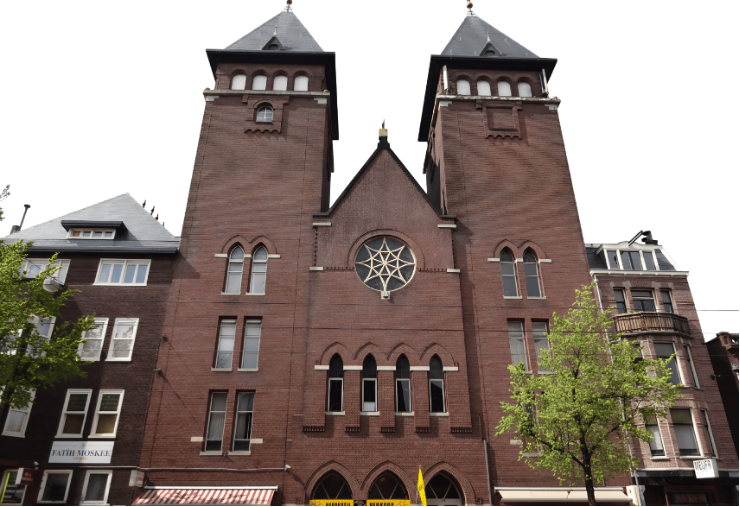
During my observations, the most striking structural element was the multifunctional use of mosques. Mosques in the Netherlands extend beyond their classical functions, incorporating classrooms, libraries, and youth and women’s branches. They function almost as social complexes. These activities, coordinated by institutions such as the Dutch Religious Affairs Foundation (Islamitische Stichting Nederland), serve as key institutional pillars for the Turkish and Muslim community abroad. However, another reality I observed in the region is that the Dutch government’s removal of elective Turkish lessons from schools in 2004 has left the transmission of language, identity, and culture entirely in the hands of mosques and families. At the same time, other institutions are working to pass on the Turkish language and culture to new generations.
Institutions such as the Yunus Emre Institute and the Turkish Maarif Foundation serve both to connect local culture with universal values and to strengthen mutual understanding through educational and cultural initiatives promoting Turkish language, art, and civilization. Together with the Dutch Religious Affairs Foundation, these institutions are the primary cornerstones of Turkish identity abroad.
The most significant discovery ofmy field research was the language attrition observed among the fourth and fifth generations. For many children, Turkish is no longer their first language but has instead become a second language. Although projects such as the International Theology Program aim to address the demand for locally trained religious officials, the reluctance of young people to return to the Netherlands after completing their education limits the program’s overall effectiveness.
This overall picture, which I had the opportunity to observe personally in the Netherlands, shows how the Turkish-Muslim community faces a dilemma between economic success and cultural preservation. In this context, mosques are not just buildings; they also constitute the spiritual and social core of this community. Unless these spaces are integrated with modern educational methodologies and well-structuredsocial activities, the Turkish presence in Europe will remain vulnerable to the loss of cultural memory and assimilation.