This issue of our journal is devoted to the rich intellectual, cultural, and spiritual legacy of al-Andalus. Far beyond being merely a geographical space or a historical period, al-Andalus represents a unique civilizational experience shaped by scholarship, philosophy, literature, art, music, and intercultural encounters. Through the diverse contributions gathered in this volume, we aim to revisit this multifaceted heritage from diferent perspectives and disciplines.
This issue of our journal is devoted to the rich intellectual, cultural, and spiritual legacy of alAndalus. Far beyond being merely a geographical space or a historical period, al-Andalus represents a unique civilizational experience shaped by scholarship, philosophy, literature, art, music, and intercultural encounters. Through the diverse contributions gathered in this volume, we aim to revisit this multifaceted heritage from diferent perspectives and disciplines. The articles featured in this issue remind us that civilizations endure not only through political power, but also through the ideas they produce, the knowledge they preserve, and the cultural memory they leave behind. From studies examining the psychological dimensions of religious identity in al-Andalus to discussions on the relationship between reason and revelation in Ibn Rushd, from the mystical thought of Ibn al-ʿArabī and Ibn Barrājān, this volume brings together diferent aspects of the intellectual and spiritual world of al-Andalus. In addition, this issue explores the transformative power of language, the cultural journey of music from East to West, and questions of migration, identity, and belonging that continue to resonate in the modern world. One of the most valuable aspects of preparing this issue has been witnessing the intellectual curiosity and dedication of our contributors. Each article included here represents not only an academic efort, but also a sincere attempt to engage critically with history, culture, and thought. We hope that these studies will encourage readers to approach al-Andalus not merely as a lost civilization of the past, but as a living intellectual and cultural legacy whose influence continues to shape contemporary discussions. We would like to express our sincere gratitude to our Vice Rector, Prof. Dr. Kaan Orhan, for his valuable contribution to this issue. We are also honored to include international contributions from both Spain and Argentina, including the contribution of Dr. Esteban Greif, whose work has enriched this volume with a broader academic perspective and strengthened the intercultural spirit of our journal. We extend our special thanks to Asst. Prof. F. Merve Çınar for her interview on Spanish horseback pilgrims and for generously sharing photographs from her personal archive with our journal. In addition, we would like to thank Dr. Enes Ateş and Hilal Aksoy for kindly contributing to this issue by sharing valuable photographs from their personal archives, which helped us reflect the visual and cultural atmosphere of al-Andalus throughout this volume. As editors, we hope this volume will ofer readers both an engaging academic experience and an opportunity to reflect on memory, coexistence, identity, and cultural continuity through the enduring legacy of al-Andalus. With best regards,
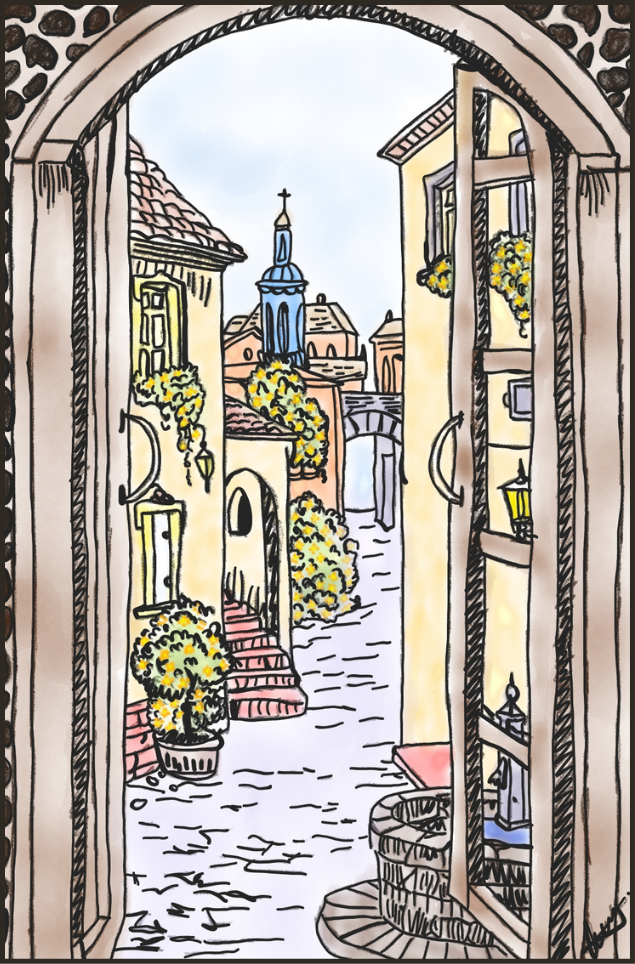
By Rümeysa Kardelen YAZICI