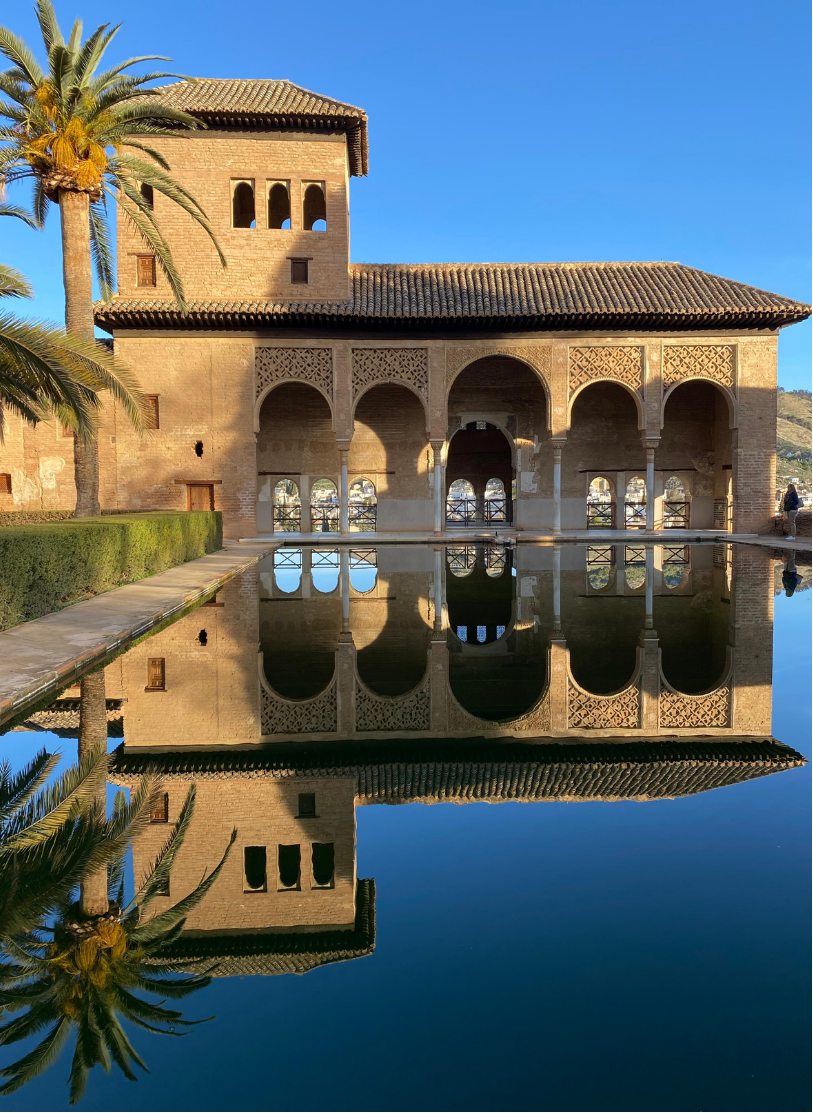
Al-Andalus stands as a jewel of the Islamic world, representing a “ union of the four books. ” For almost eight hundred years, Jews, Muslims and Christians lived together in relative peace.
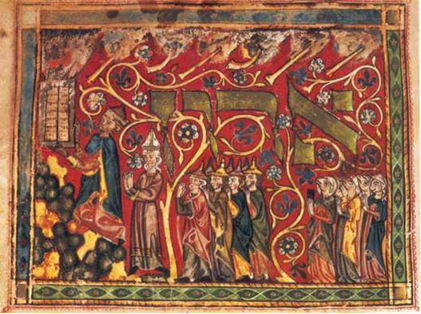
Al-Andalus stands as a jewel of the Islamic world, representing a“union of the four books.” For almost eight hundred years, Jews, Muslims and Christians lived together in relative peace. In this text, we will examine the lives of the citizens of alAndalus. Regarding the ethnicity of the population, the majority were indigenous to the Iberian Peninsula. While the society was initially composed mostly of Christians with a Jewish minority, the arrival of Arabs and Berbers after the conquest transformed it. Over the centuries, Arab culture became dominant, significantly influencing the indigenous population.
There were also Sudanese people who served in the army and the postal system due to their physical endurance. Another important group, which may come as a surprise, was the Vikings. Saqaliba was the name of Slavic people in al-Andalus. They were taken as children, in a system somewhat comparable to the Ottoman devshirme system. These children were raised as Muslims and later assumed important responsibilities within society. Over time, they all became part of Andalusian society. Following the conquest, we can observe that different communities generally lived together peacefully. The reason for this can be linked both to Muslim attitudes towardnon-Muslims and to the historical background of these communities.
For example, the position of Jewish people in society had previously been secondary because after the Romans destroyed al-Quds (Jerusalem) some Jewish communities migrated to the Iberian Peninsula. Many Christians viewed Jews negatively because of the death of Prophet Jesus. Therefore, many Jews welcomed the arrival of Muslims, whom they had heard described as comparatively peaceful people. Muslims granted them rights similar to those given to Christians. In fact, Jewish communities eventually became one of the most influential social groups in al-Andalus. Christians were also not completely against Muslim rule at first. If we examine the history of the conquest, we can see that some of the cities were taken peacefully through agreements. Muslims sometimes even trusted non-Muslims more than their fellow Muslims. For instance, during the reign of al-Ḥakam I, Ṭālūt ibn ‘Abd al-Jabbār hid in the house of his Jewish friend during the Rabad Rebellion. Although certain groups attempted to disrupt this coexistence, such as Christian militant movements that sought to provoke hostility against Muslims, most people did not support these efforts. These tensions continued for years but did not fundamentally destroy social coexistence. Besides this, if we examine daily life, we can discuss houses, family structure, women, cleanliness, cuisine, clothing, special days, games, religion and language.
Houses
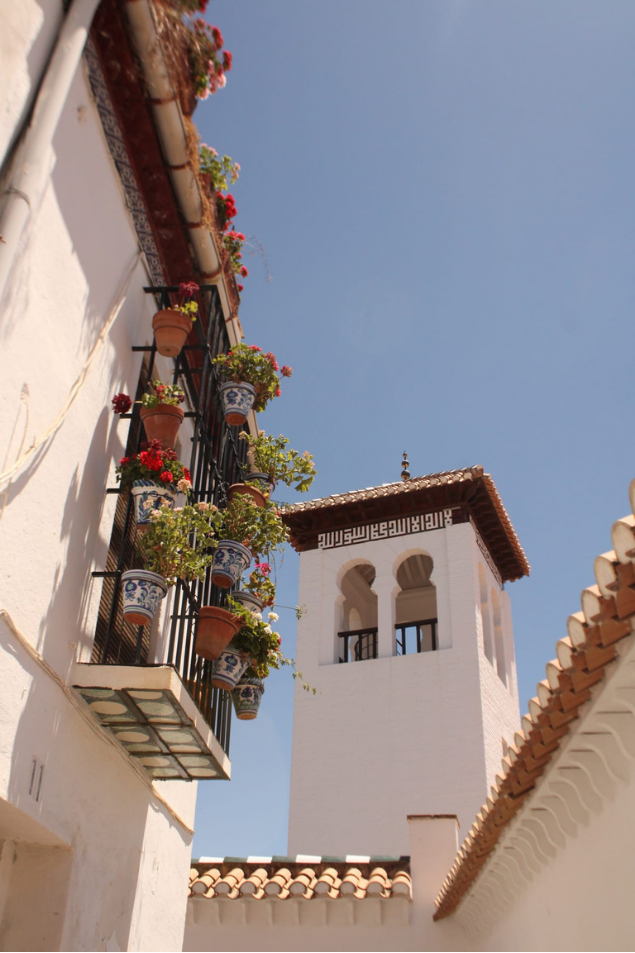
The houses were generally not ostentatious; instead, they were characterized by simplicity. Typically consisting of two floors, these dwellings featured latticed windows (mashrabiyyah)overlooking the street, designed to integrate women into social life while maintaining privacy. While the number of rooms varied, there was a clear distinction between social classes; wealthy families resided in spacious homes with numerous rooms, whereas the poorer families lived in much smaller spaces.
Interestingly, larger houses employed an ancient version of central heating. These systems featured a furnace area in the basement used to heat water, which was then circulated througha network of pipes. Additionally, summer houses were a common luxury for the elite class, providing seasonal retreats.
Family
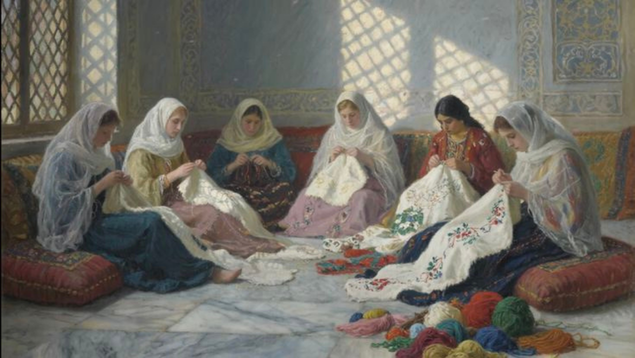
The family structure was typically extended, with grandparents, parents, and children living together. Under Islamic law, men were permitted to marry up to four wives. While this was more common among the wealthy, it also began to gain popularity among Christians. Despite opposition from the clergy, this cultural influence persisted. Marriages between Muslim men and Christian women were common, with many women eventually converting to Islam. Conversely, marriage to concubines was less common; generally, only those facing financial or social difficulties opted for such unions in order to avoid the high costs associated with traditional marriage ceremonies.
Women
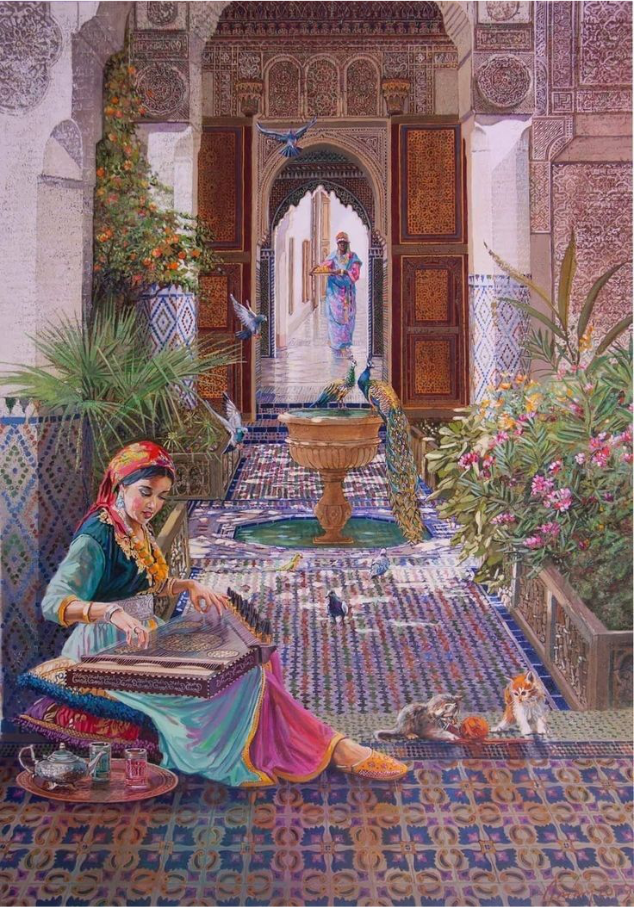
Muslim women had more rights than many of their contemporaries and their family background played an important role in shaping their opportunities. For instance, women from scholarly families had greater access to education than others. Women also had anotable influence on politics; for example, the wife of al-Ḥakam II assisted the vizier al-Manṣūr and his son in securing the throne. Women were therefore active participants in society and influenced many aspects of the administration of the country.
Cleanliness
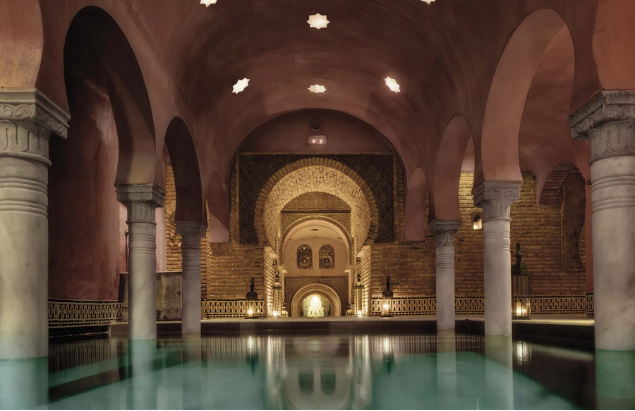
As al-Andalus was ruled by Muslims, cleanliness was considered aparamount social value. There were specific regulations aimed at keeping streets, places of worship and bazaars clean. This culture was further supported by bathhouses, which combined Roman and Arab bathing traditions. This bath culture played an important role in maintaining high standards of cleanliness throughout the cities.
Kitchen
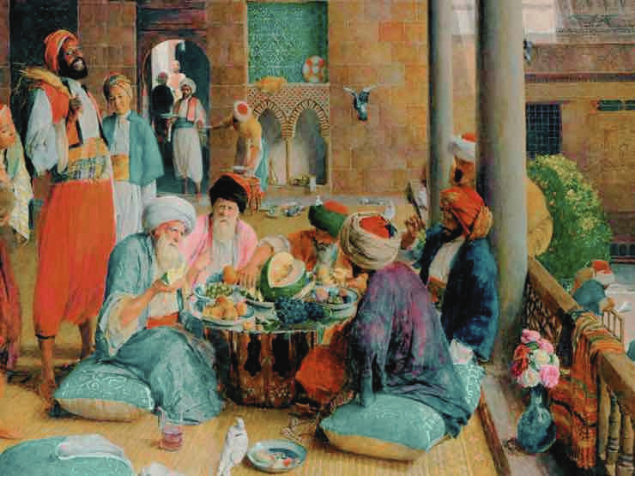
There was a unique food culture that combined Eastern and Western kitchens. Wheat was the primary ingredient, used in different types to cook various foods, especially bread. The Andalusian kitchen featured many kinds of fruits, such as melon, watermelon, and figs. Frying food was also very popular; for example, they would add cinnamon to cheese and fry it. The cuisine also included butter cakes and desserts, often accompanied by fruit juice, milk or special drinks flavored with rose and other floral scents.
Clothes
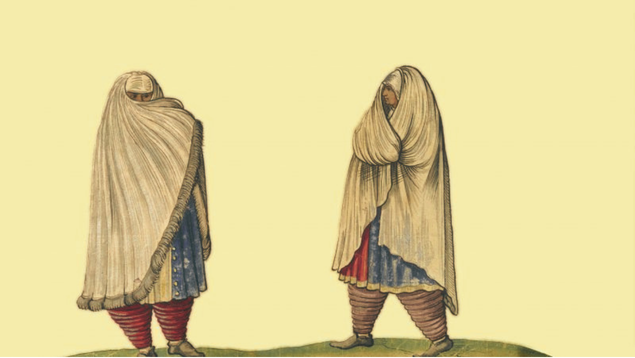
Clothing styles changed over the centuries, but certain traditional forms of attire remained common. Most of the time, women and men wore similar garments; they dressed in shirts made of linen or cotton with long outer garments over them. Unlike men, women wore chadors. However, due to various cultural influences, clothing styles gradually changed according to both fashion and seasonal conditions.
Special Days and Games
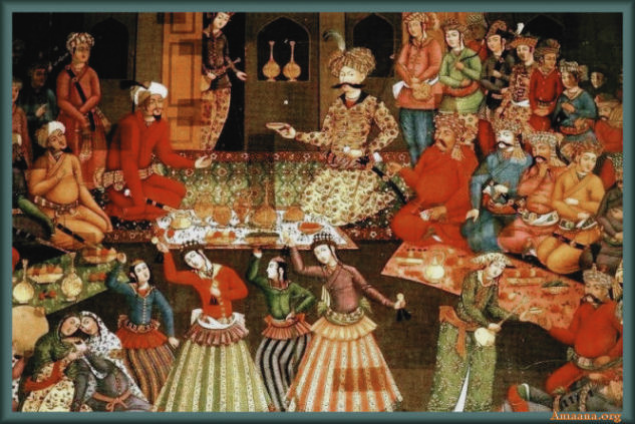
In terms of special days, people celebrated religious festivals similar to those observed today, but they also celebrated three additional festivals. Firstly, Nowruz was celebrated for the arrival of spring. Secondly, Mihrijan was celebrated on 24June, during which people exchanged gifts and held poetry competitions. The poems often focused on the beauty of the region. Finally, Asir was celebrated in connection with the grape harvest… Christmas was also celebrated and some Muslims even participated in these festivals. Among many games played in al-Andalus, one of the most popular was “Tabla,” which resembled the Turkish game of jereed. In this game, a stick was placed in the middle and two teams attempted to strike it.
Religion
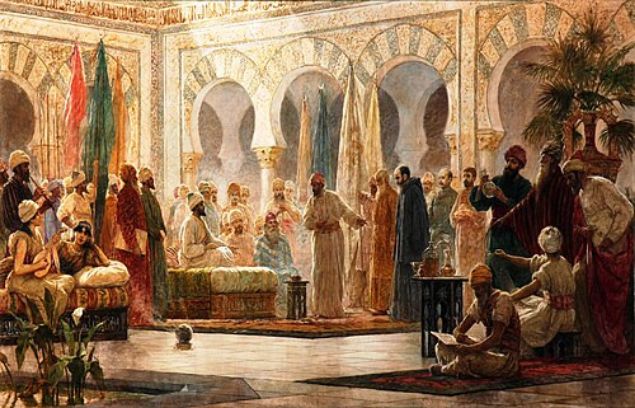
Religious life in al-Andalus was characterized by a strong religious structure in which the Mālikī school served as the dominant legal tradition. This strictness was maintained partly as a means of preserving unity against threats from the Christian north. For this reason, salah (prayer) held great importance, and most people regularly attended mosques, especially for Friday prayer. However, there was a sad side to their religious life: performing Hajj pilgrimage was not easy, particularly for rulers. Many people were highly devout and even continued fasting after Ramadan; scholars sometimes attempted to discourage this practice in order to preserve the special status of Ramadan itself.
Language
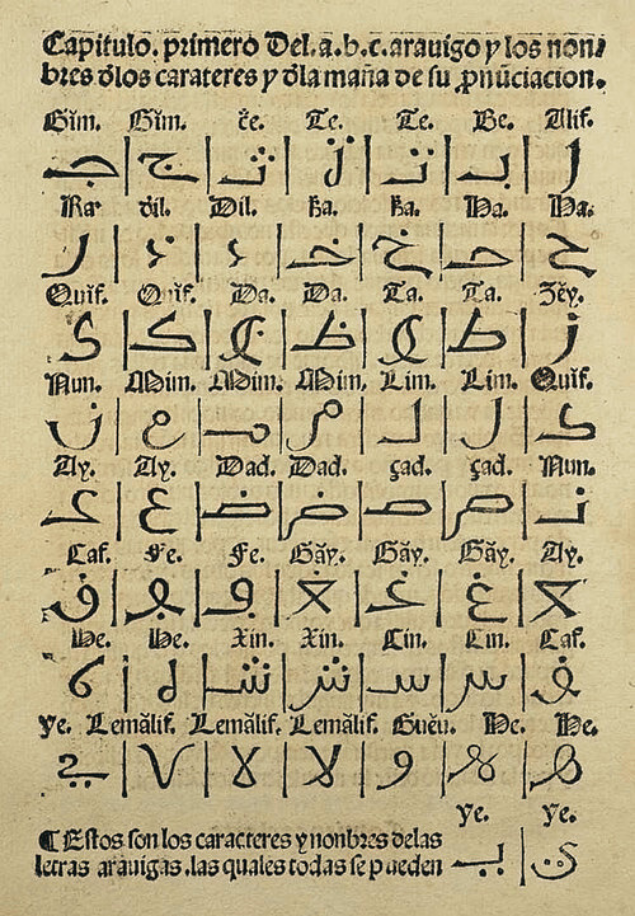
At first, the primary languages were Latin-based Iberian dialects, but after the conquest, Arabic gradually became the dominant language. Even Christian nobles attempted to learn Arabic. While the formal Arabic was used in palace for administration and writing, ordinary people developed a new colloquial form of Arabic (ʿāmmiyyah). Because people from different parts of the Arab world lived together in alAndalus, this dialect emerged naturally. Although Persian occasionally exerted cultural influence, it never became dominant. Arabic remained superior to Latin-based and Berber languages for centuries, and even after the Reconquista, the decline of Arabic linguistic dominance took aconsiderable amount of time.
In conclusion, al-Andalus was a unique crossroads where different traditions, languages, and beliefs lived together, creating a rich cultural heritage that influenced both the East and the West for centuries.
Bibliography
Özdemir, Mehmet. Endülüs, Ankara: Türkiye Diyanet Vakfı Yayınları, 2023
Özdemir, Mehmet. Endülüs Müslümanları (Kültür ve Medeniyet) (3. Baskı), Ankara: Türkiye Diyanet Vakfı Yayınları, 2013.