Where Do We Go Now is a Lebanese film, a collaborative production involving France, Lebanon, Egypt, and Italy. Nadine Labaki, who stars in the film, also serve as the director and one of the screenwriters. The film has received notable awards, including the People's Choice Award at the 2011 Toronto International Film Festival in the Best Picture category.
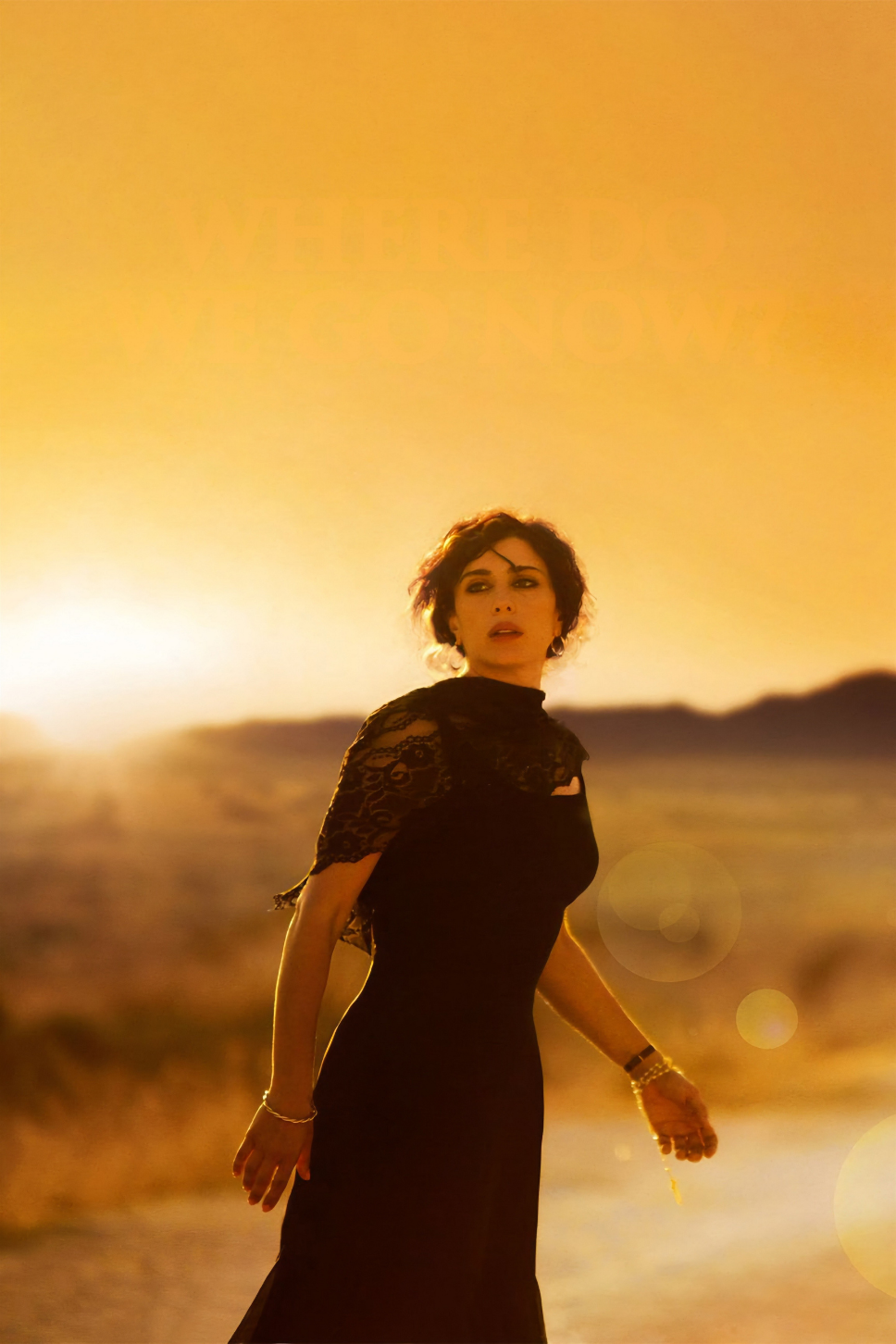
Where Do We Go Now is a Lebanese film, a collaborative production involving France, Lebanon, Egypt, and Italy. Nadine Labaki, who stars in the film, also serve as the director and one of the screenwriters. The film has received notable awards, including the People’s Choice Award at the 2011 Toronto International Film Festival in the Best Picture category.
Where Do We Go Now narrates its story in a realistic and tragic way; however, it does not forget to make the audience smile. The movie is about a Lebanese village where Muslims and Christians try to live together peacefully despite the religious tensions surrounding the village between certain groups. In the film, women play a significant and powerful role in maintaining peace within the community. For instance, the women sabotage the television and destroy newspapers so that the men remain unaware of the conflicts taking place in the surrounding areas. However, the tension gradually increases, and women make a plan as they always do.
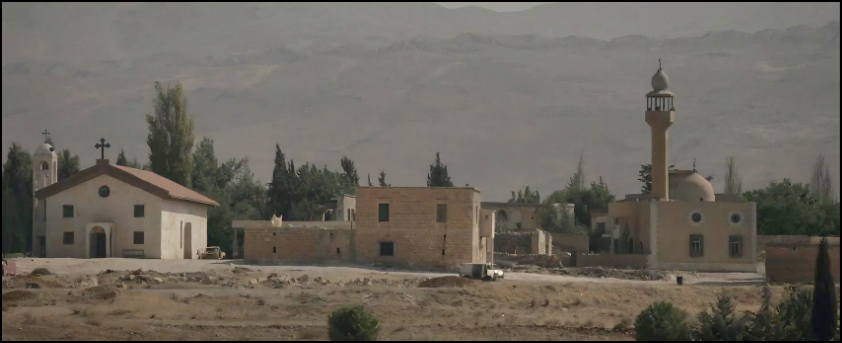
The music and visuals are harmoniously aligned with the film, making the atmosphere feel even more realistic. The filming location, set design, and architecture of the houses are exquisite. In some scenes, the visuals symbolize the village’s circumstances. For example, in the opening scene, the women are in a cemetery, and it can be seen that the cemetery is divided into two sides. One side belongs to Muslims, and the other side belongs to Christians. Also, the houses of worship (the church and the mosque) stand next to each other. The people of the village and their symbols stand side by side, yet they remain separated.
Regarding the strengths of the film, I believe a movie should be clear about its purpose, and this film successfully achieves that goal the storyline is easy to follow, making the movie accessible to everyone. Furthermore, the relationships between the characters are realistic and sincere, which the audience can truly feel. It is also quite unusual that a movie about regional conflict contains no fighting scenes; narrating such a strong story without relying on violence is truly remarkable.
On the critical side, the reasons behind certain critical events remain unclear to the audience. These events increase the tension between the two groups and lead to irreversible misunderstandings, yet the viewers are never fully informed about the truth behind them. This leaves viewers wondering, and ultimately, the ending of the film may not satisfy all viewers’ expectations.
In conclusion, I would recommend this movie because it offers a realistic yet imaginative perspective on how people of different religions can or sometimes fail to live together peacefully. I wanted to introduce this film because it highlights how women’s perspectives and solidarity can change the most complicated situations.